Blog hero

Blog

Origami Paper Guide | Understanding Thickness, Size, and Structure

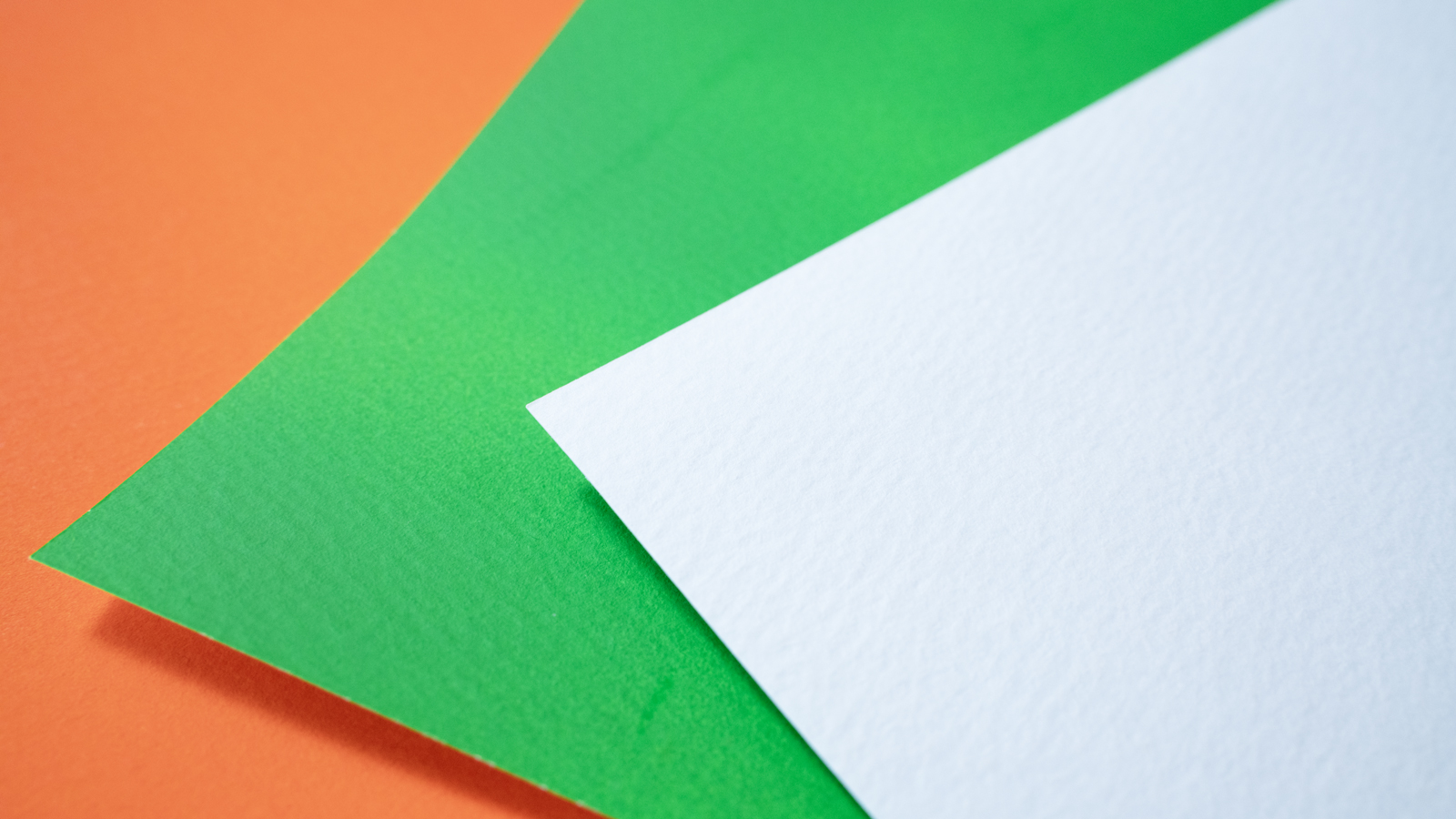
Paper is the most important factor in determining the quality of an origami work.

Even when folding the same model in the same way, simply changing the paper can dramatically affect both the ease of folding and the final appearance.

Learning to choose paper according to the model you want to fold and your intended outcome can be considered the first step toward becoming an origami artist.

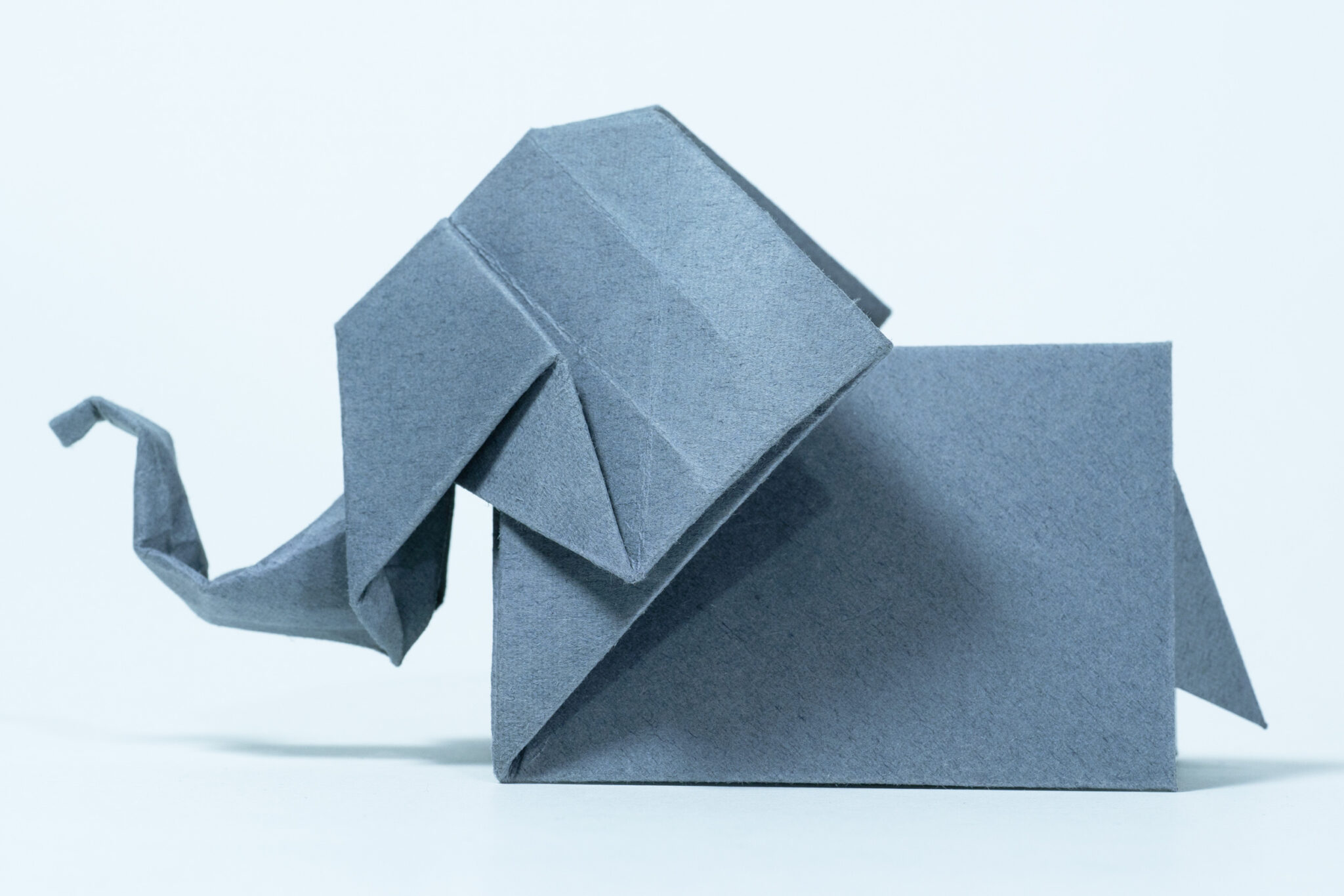
How Simple Can It Get? Folding an Origami Elephant

This origami elephant was designed specifically for folding with leather—rather than paper. The leather used for folding is thinned through a process called skiving, but no matter how thin it gets, it’s still thicker than paper. The practical limit for thinning leather without tearing is about 0.5mm, while the paper typically used for origami is around 0.07mm to 0.1mm, making leather roughly five times thicker.

Kamiori Doll -Pink Gold-

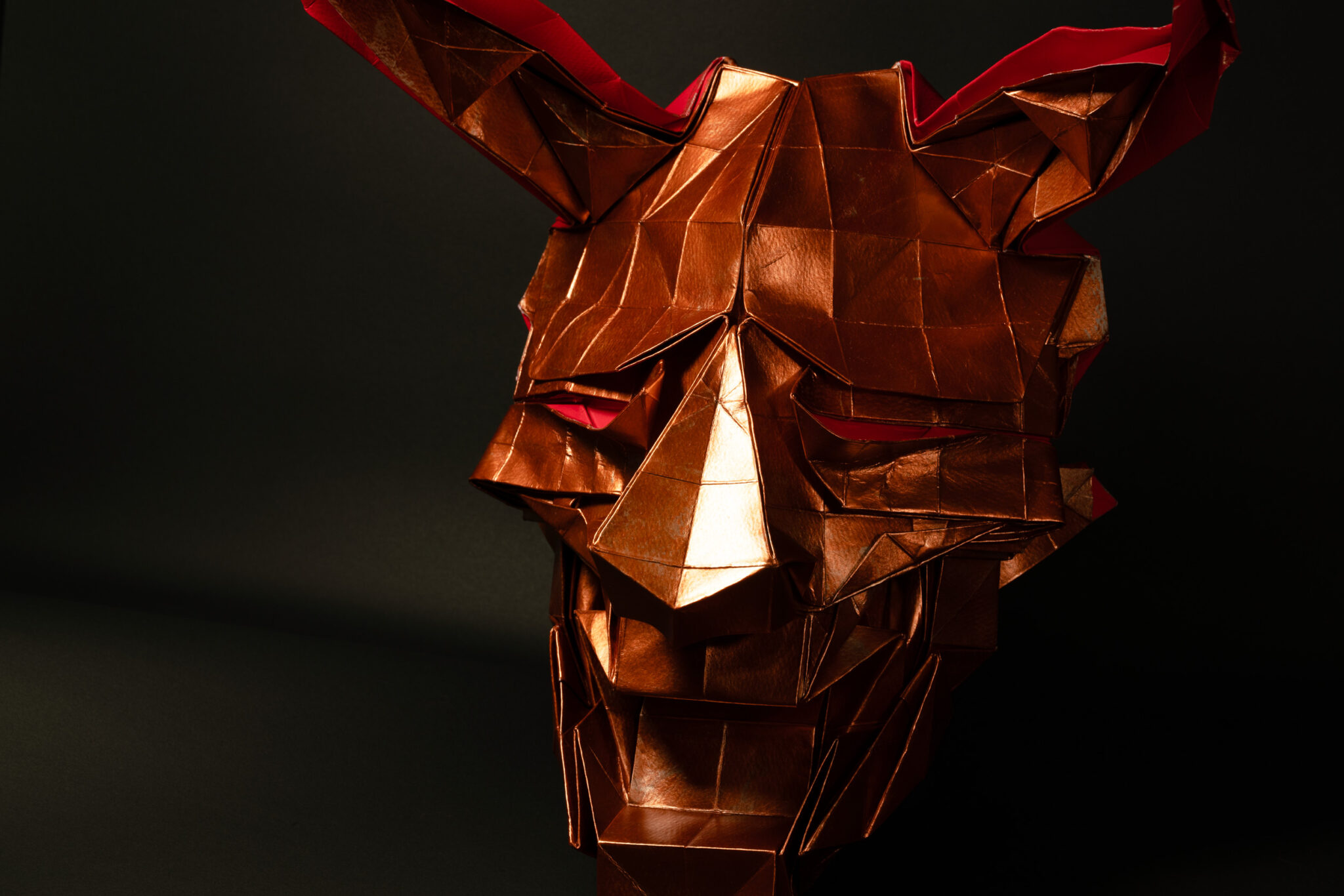
In origami, shapes are fundamentally created using straight lines, making it necessary to employ special techniques to form curves and three-dimensional structures. Kamiori Doll series is a continuous exploration of pushing the boundaries of origami as a technique by expressing the organic and three-dimensional form of the human figure through paper folding. Inspired in part by ball-jointed dolls, this series aims to achieve free and dynamic posing, bringing paper to life in an unprecedented way.