The quality of a finished origami model depends not only on the design and technique of the model itself, but also greatly on the paper you use. Especially for beginners, not knowing which paper to choose can often become a stumbling block.
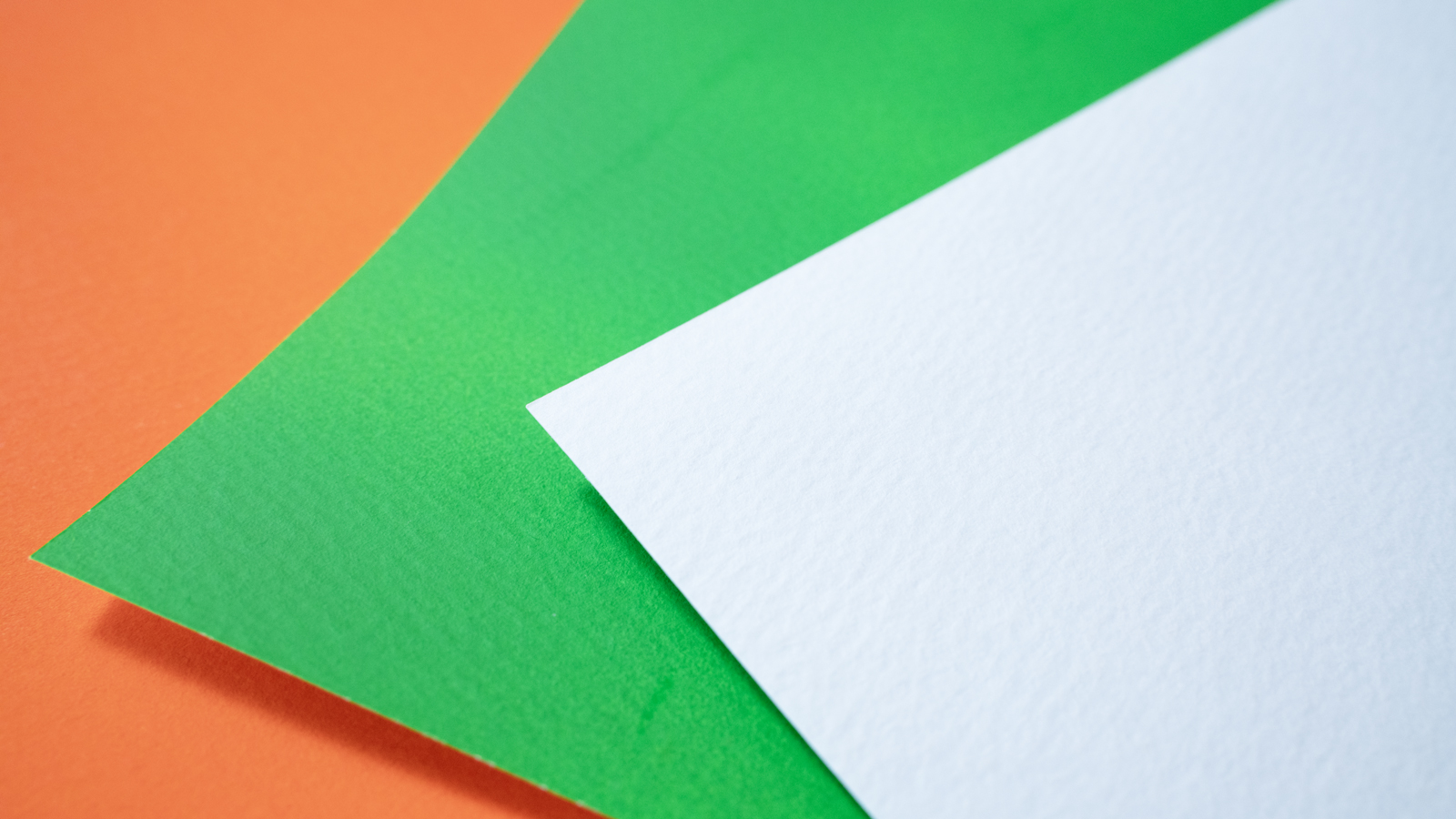
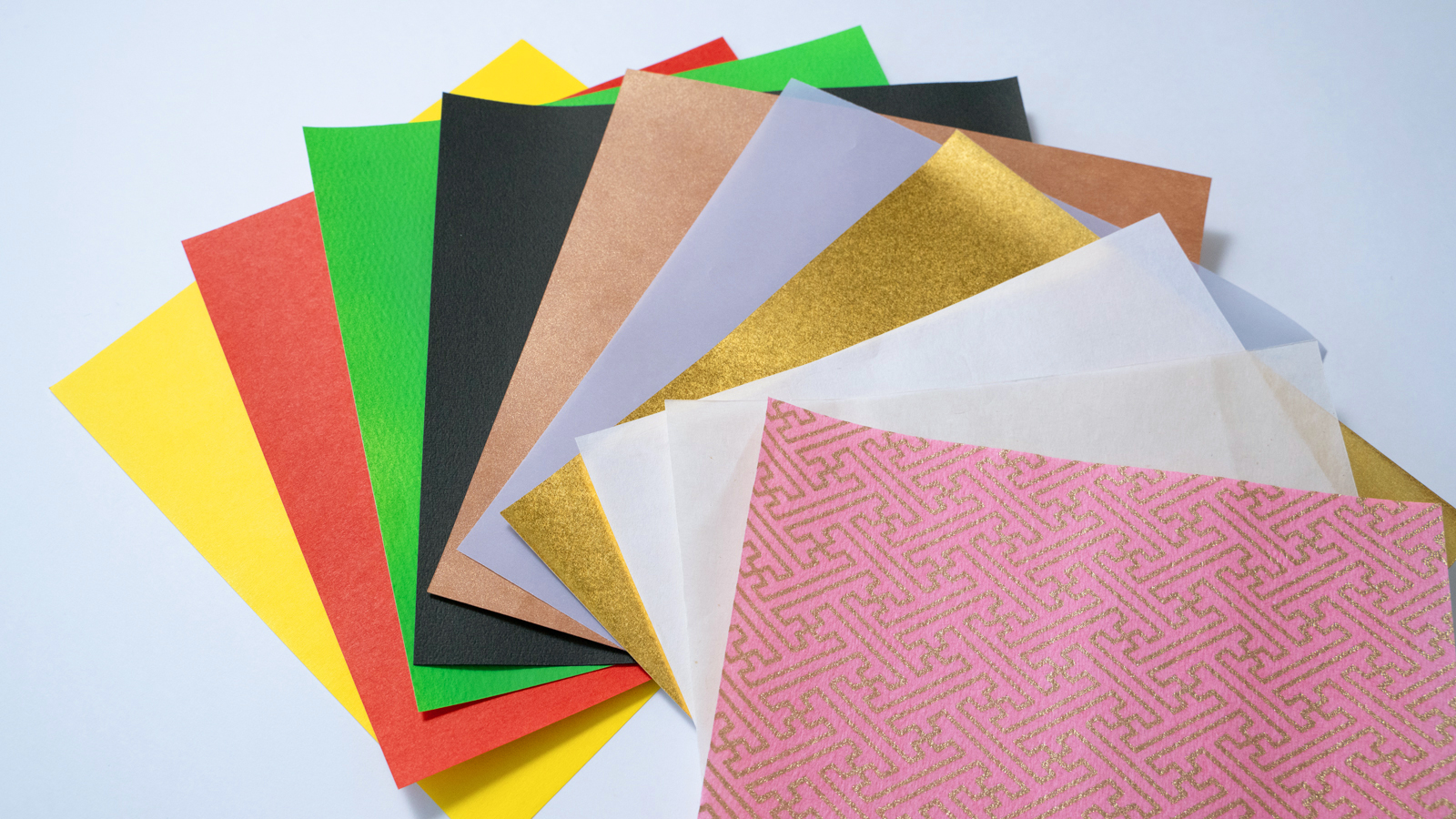
Paper is the most important factor in determining the quality of an origami work.
Even when folding the same model in the same way, simply changing the paper can dramatically affect both the ease of folding and the final appearance.
Learning to choose paper according to the model you want to fold and your intended outcome can be considered the first step toward becoming an origami artist.

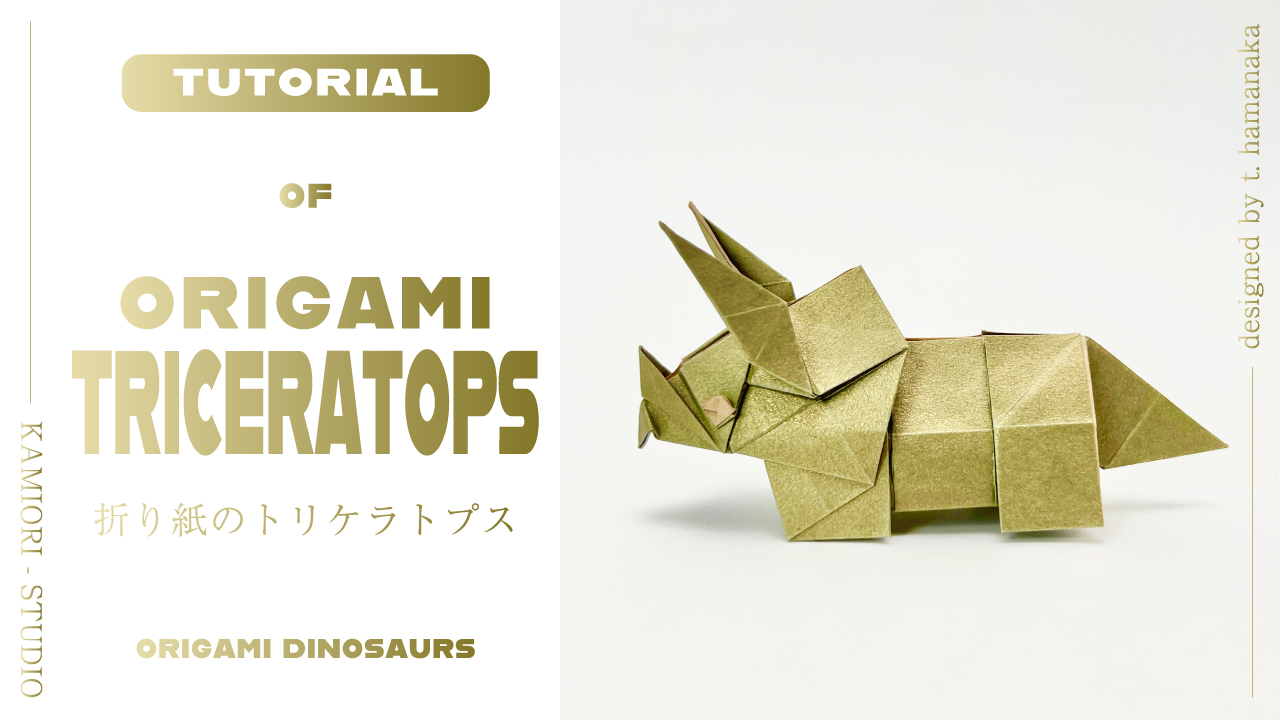
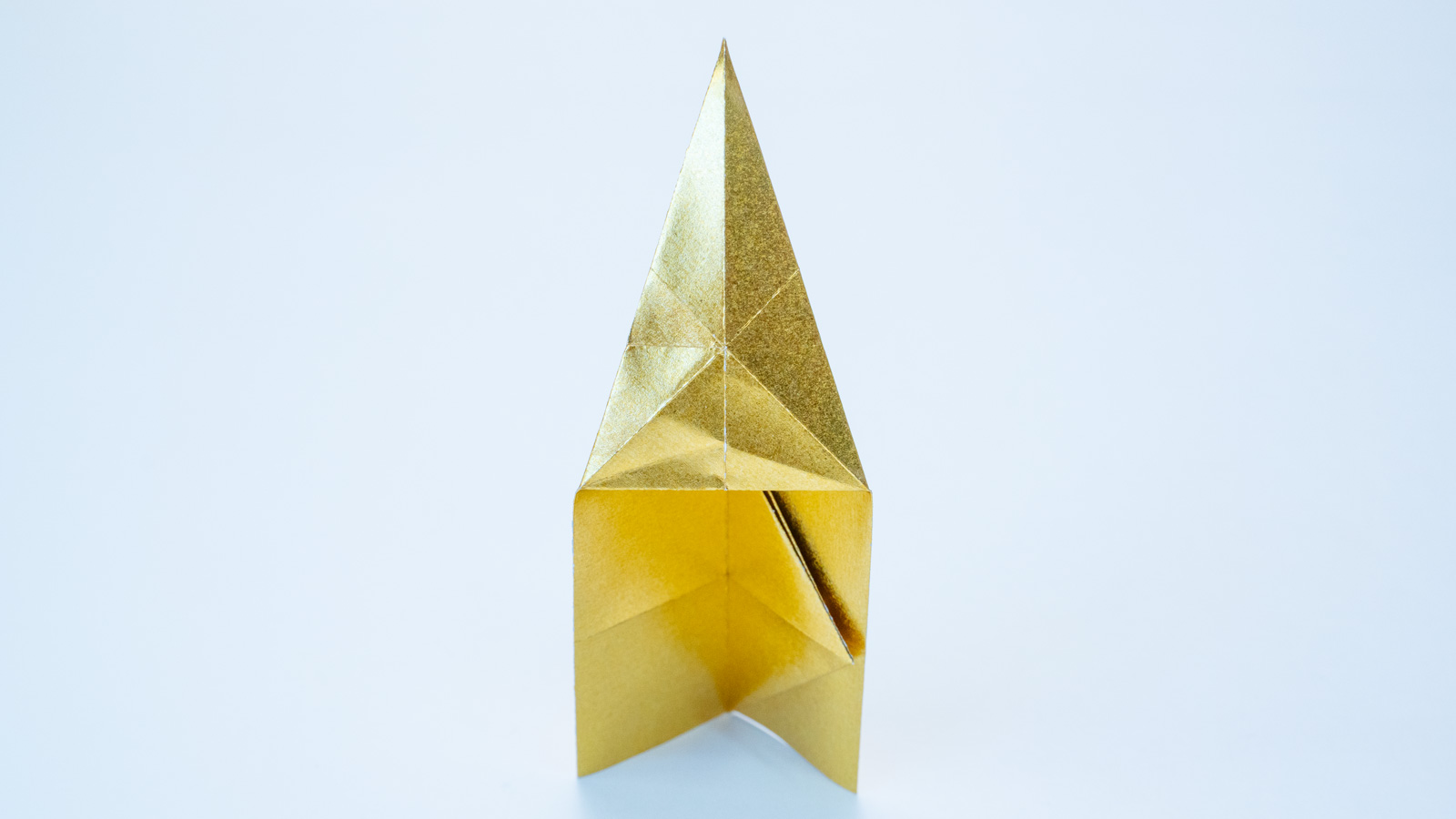
When expressing animal horns, spikes, or sharp pointed forms in origami, it is important not only to achieve a sharp silhouette, but also to give the form convincing three-dimensional presence. Creating shapes that are not merely thin and pointed, but that clearly occupy space, greatly enhances the overall quality of a piece.

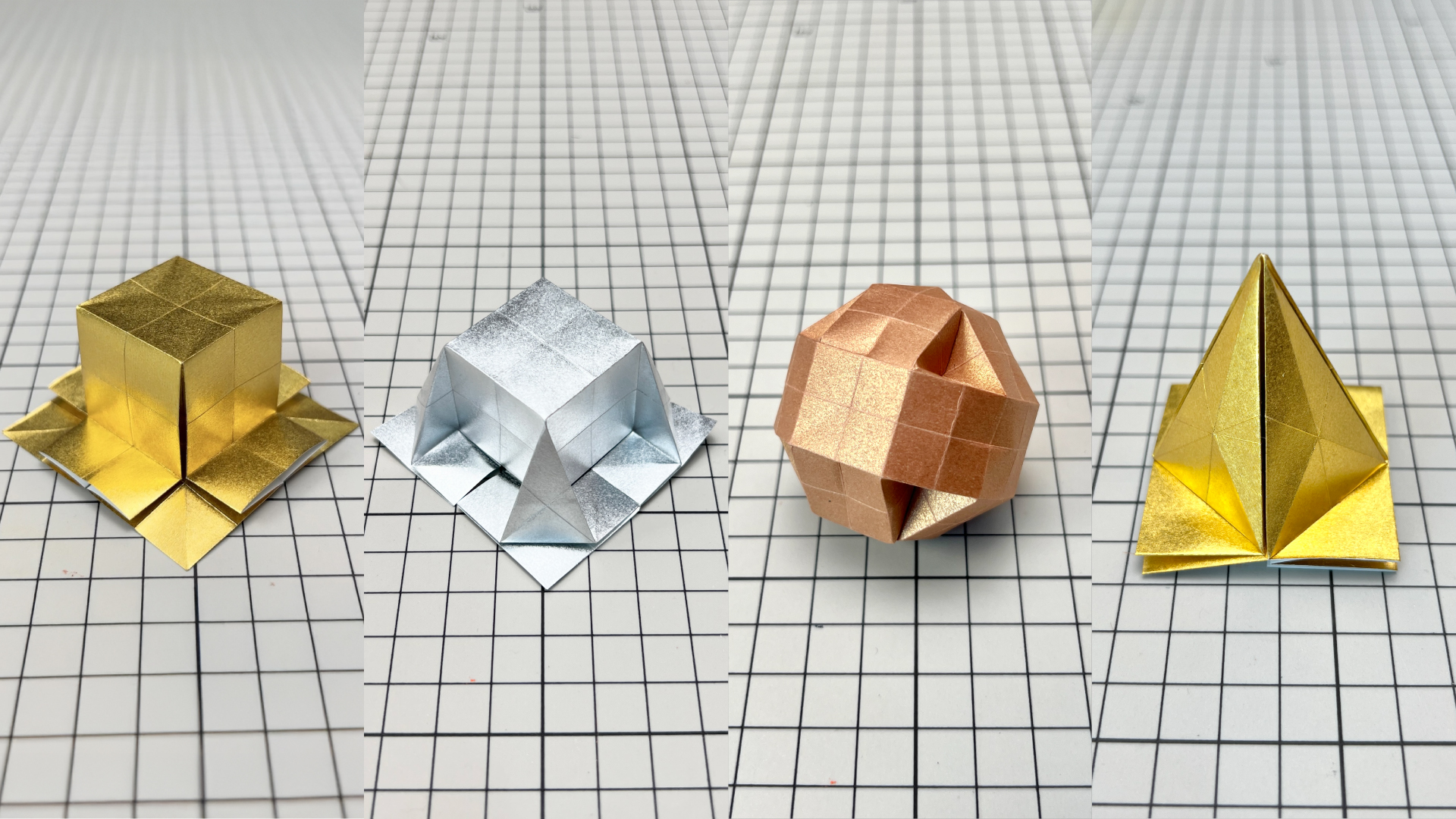
Polygon Components are a design concept developed by Kamiori-Studio for constructing three-dimensional forms using origami molecules that cannot be folded flat, treating them as structural units built from faces and corners.

designed by : Tomoaki Hamanaka
date of creation : June 7, 2025
paper : First Vintage ( 17.5cm × 17.5cm)

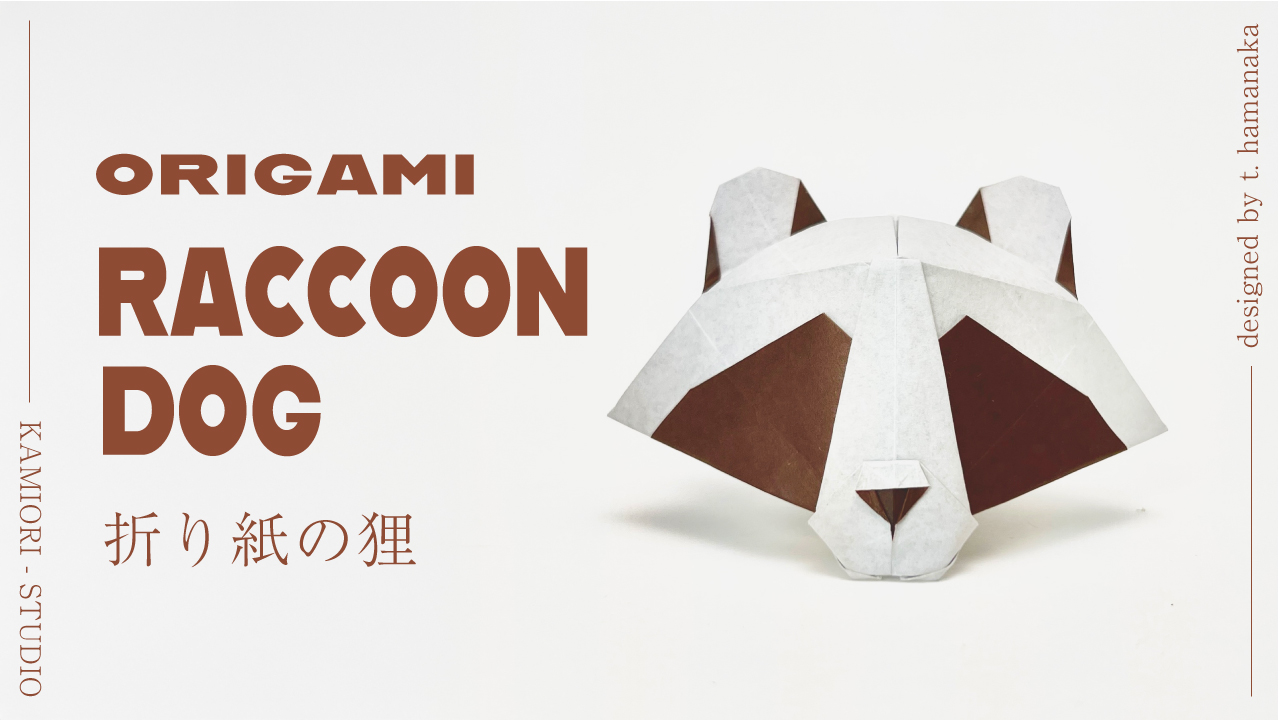
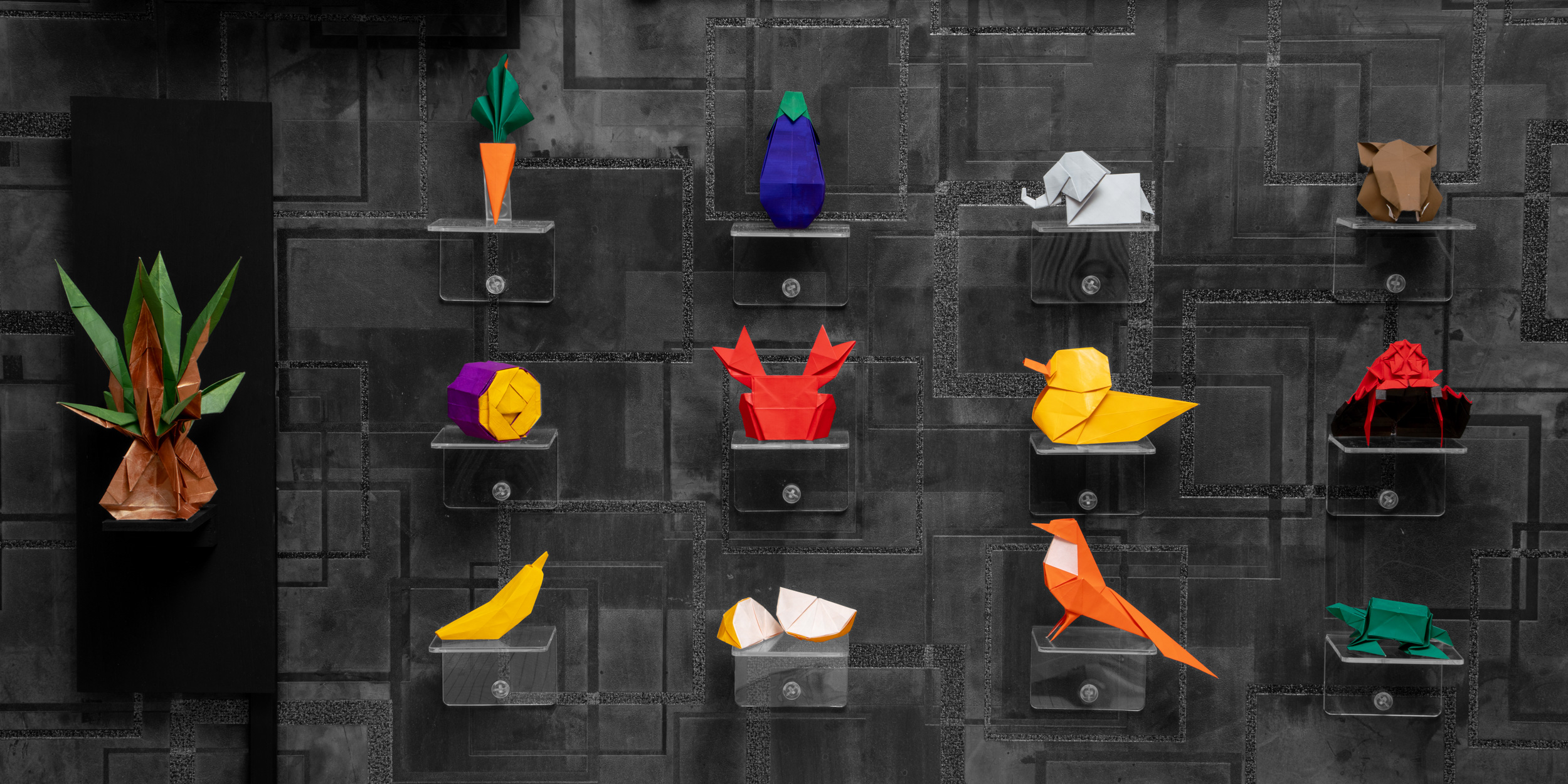
This is a simple and cute raccoon dog made from a single sheet of origami paper. With no complex folds and only a few easy steps, it’s a great design for beginners to try.

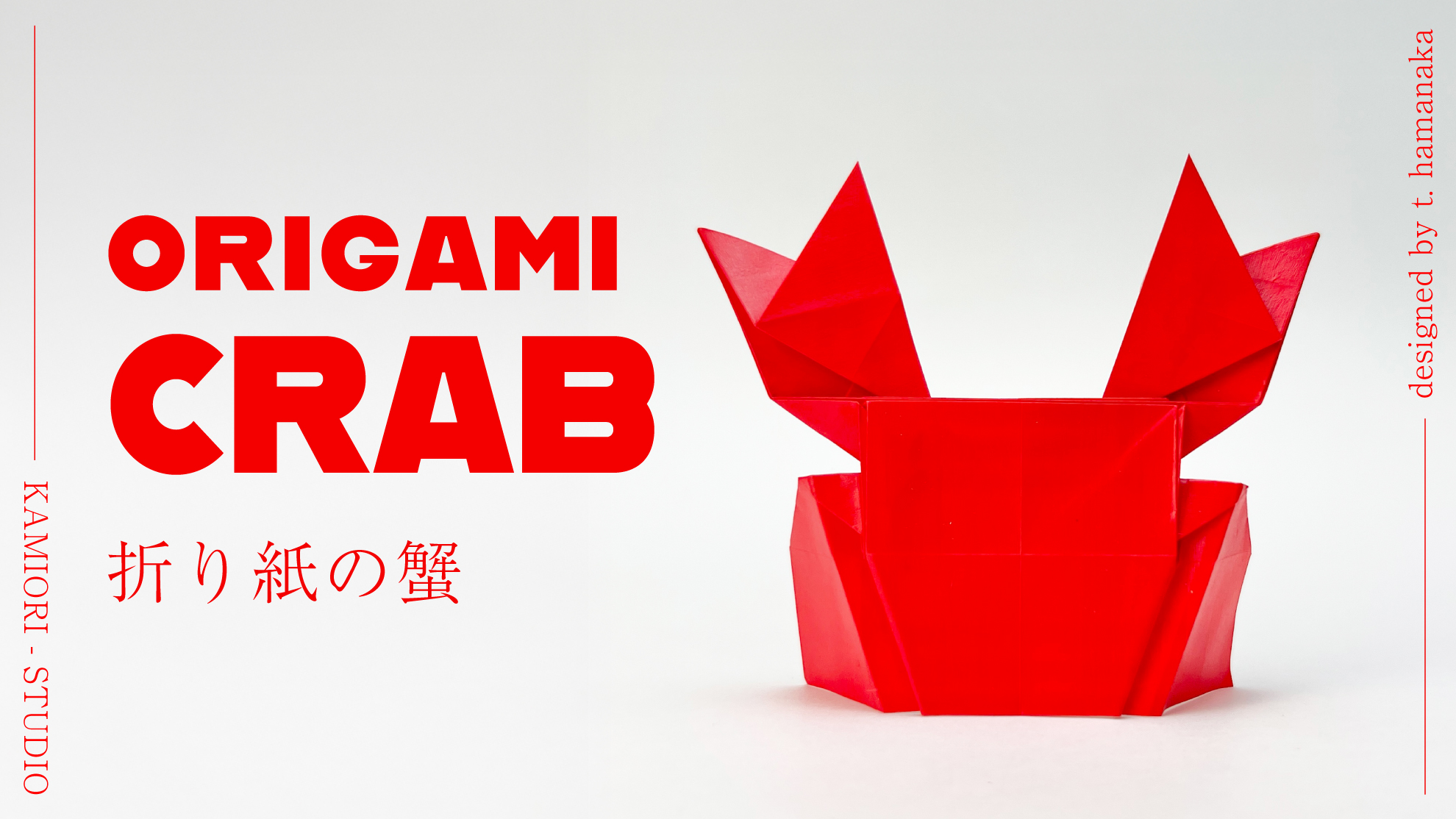
This crab is designed to be folded from a single square sheet of origami paper. You’ll start by pre-creasing the paper into an 8×8 grid. There's one step that involves 3D shaping, but overall, the folding process is relatively simple and beginner-friendly.

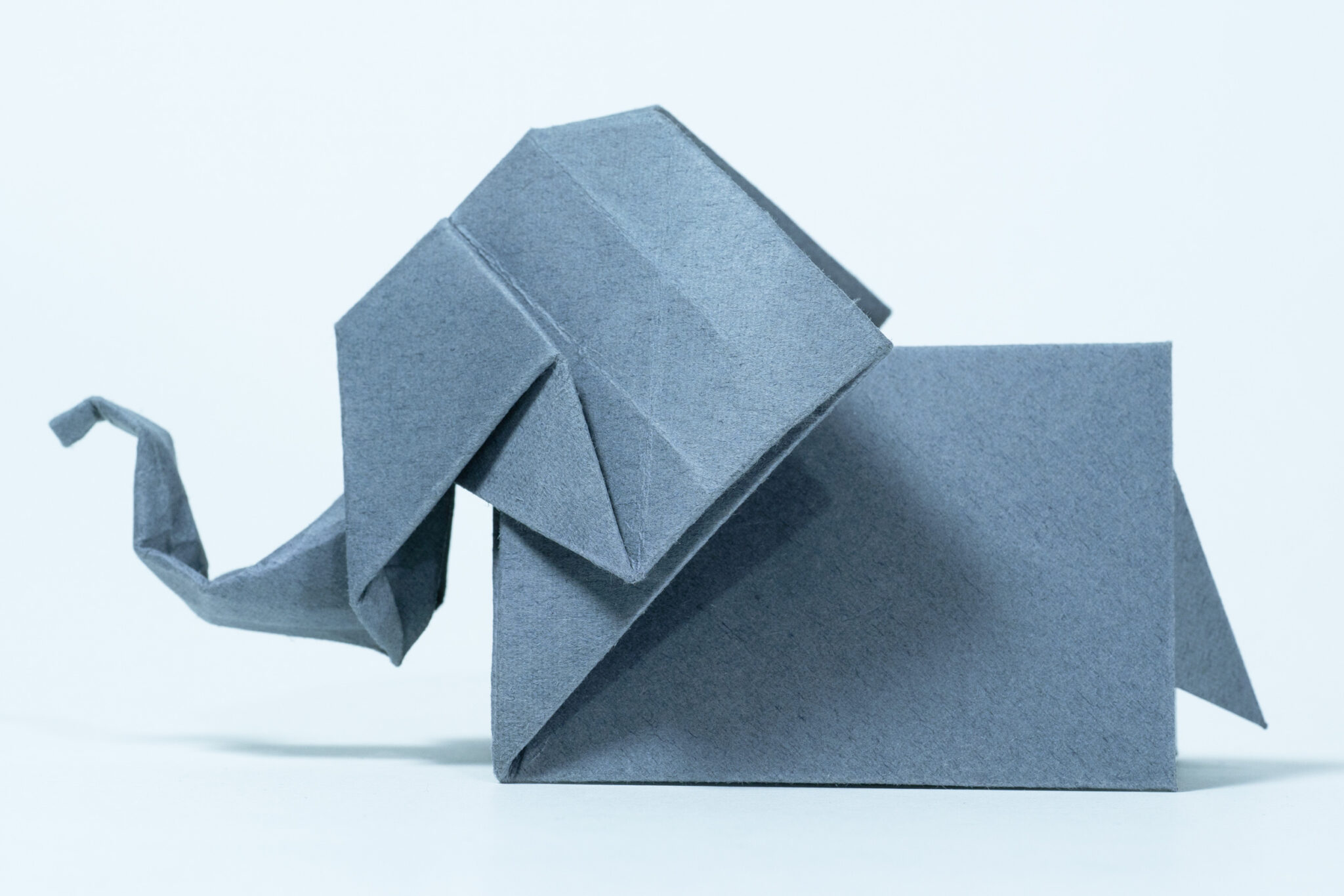
This origami elephant was designed specifically for folding with leather—rather than paper. The leather used for folding is thinned through a process called skiving, but no matter how thin it gets, it’s still thicker than paper. The practical limit for thinning leather without tearing is about 0.5mm, while the paper typically used for origami is around 0.07mm to 0.1mm, making leather roughly five times thicker.

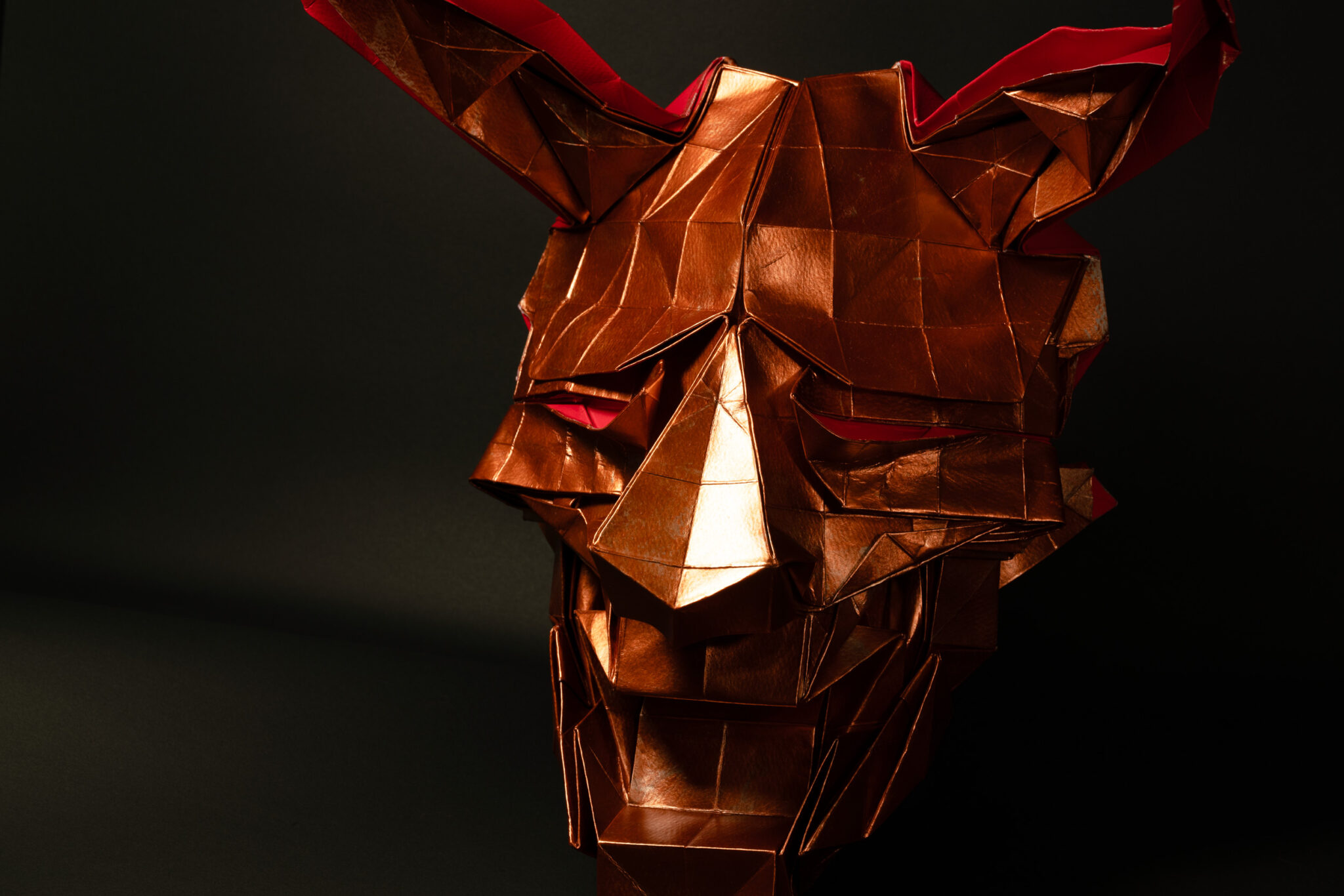
With that in mind, I designed this origami Hannya mask to be best appreciated in low light. Its form emphasizes deep shadows and metallic-like surfaces, creating a sense of volume and texture. For a future variation, I’m thinking of using pop colors—maybe even pink—to push the design further into modern cool.